Hands-on with the All-in-One Arduino Nesso N1
The Arduino Nesso N1 is an adorable package bursting with features for IoT, home automation, and general projects, with a fantastic touchscreen and battery that keeps the fun going beyond your desk.

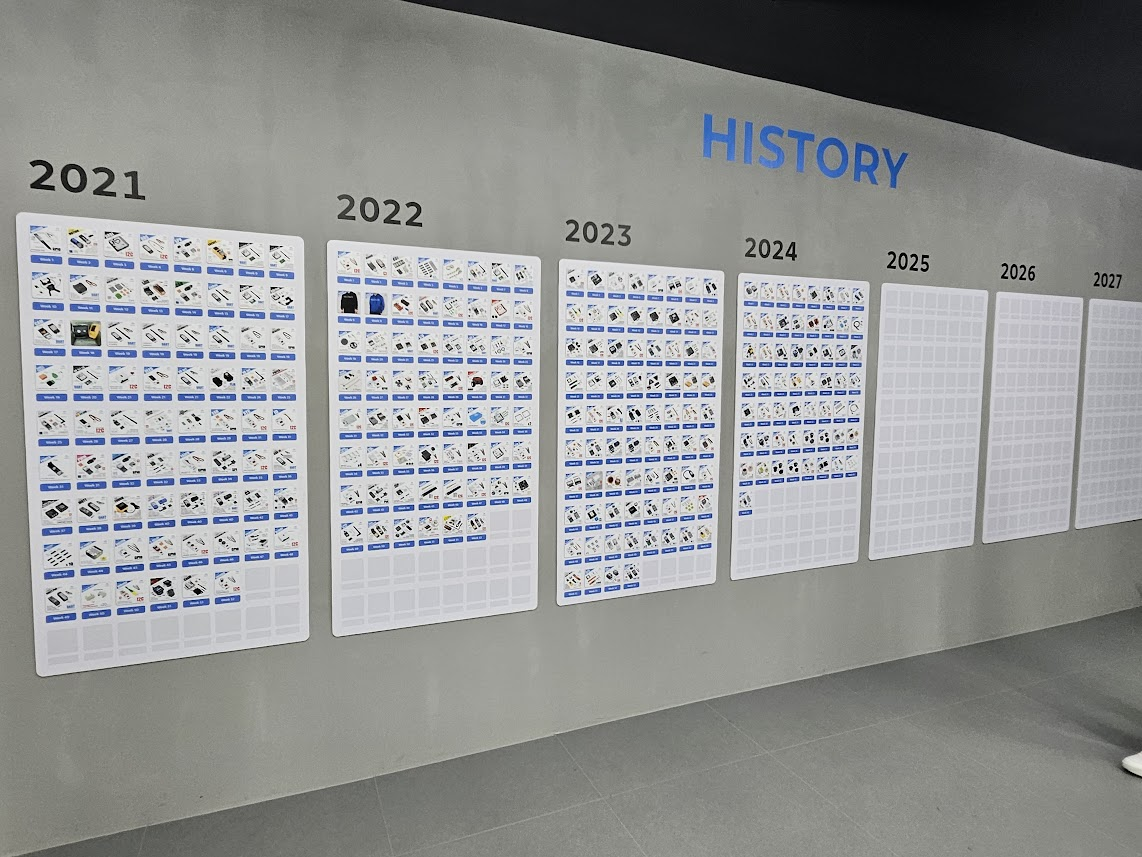
This past weekend, I gave a workshop on the Arduino Nesso N1 for Arduino Days 2026. I chose the Nesso N1 because if its comprehensive feature set, allowing participants to explore a huge range of functionality without having to mess with breadboards, soldering, or other components. The Nesso N1 is a collaboration between Arduino and M5Stack, an incredibly imaginative and prolific hardware innovator in Shenzhen, China. When I attended the grand opening of their new office in 2024, I was astonished to learn that they release at least one new product per week, and have a wall celebrating it. So I was extremely excited to explore the fruits of this collaboration between two of my favourite hardware companies.
The Nesso N1 is based on the ESP32-C6 System-on-Chip (SoC), which is typical for an M5Stack product, given that the chip maker Espressif acquired a majority stake in the company in 2024, but a little less common for Arduino products, which other than the Nano ESP32, serves only as a coprocessor on the UNO R4. This "otherness" is a theme that persists throughout the experience of using the board, starting with the documentation. Unlike typical Arduino boards, which appear under "UNO Family" or "Nano Family" in the navigation, the N1 is shoved under "Kits" rather than "Nesso Family" – an area to which products like the Plant Watering Kit are relegated. The product page is unusually bare, with no schematics, and only a single tutorial in addition to the Nesso N1 User Manual.
Diving into the manual, we are again reminded of this "otherness" by the requirement to install the esp32 by Espressif Systems board support package, rather than the Arduino ESP32 board package. Even the simple LED blinking example is "othered" by the fact that the N1 uses inverted logic, so "on" is "LOW." M5's own code examples often require adaptation in order to function, e.g. replacing the default graphics:
#include <M5GFX.h>
M5GFX display;
with the Nesso's:
#include <Arduino_Nesso_N1.h>
NessoDisplay display;
The final "othering" that I'll mention is the extreme disappointment I encountered upon discovering that the Modulino Thermo nodes that I'd procured for the workshop in order to allow participants to create portable "weather stations" were incompatible with the N1, since its expander port uses the I2C address 0x44, which is the same address used by the Thermo. I learned from a friend at Arduino that it's possible to alter the Modulino's I2C address, but this was not practical for a beginner class.
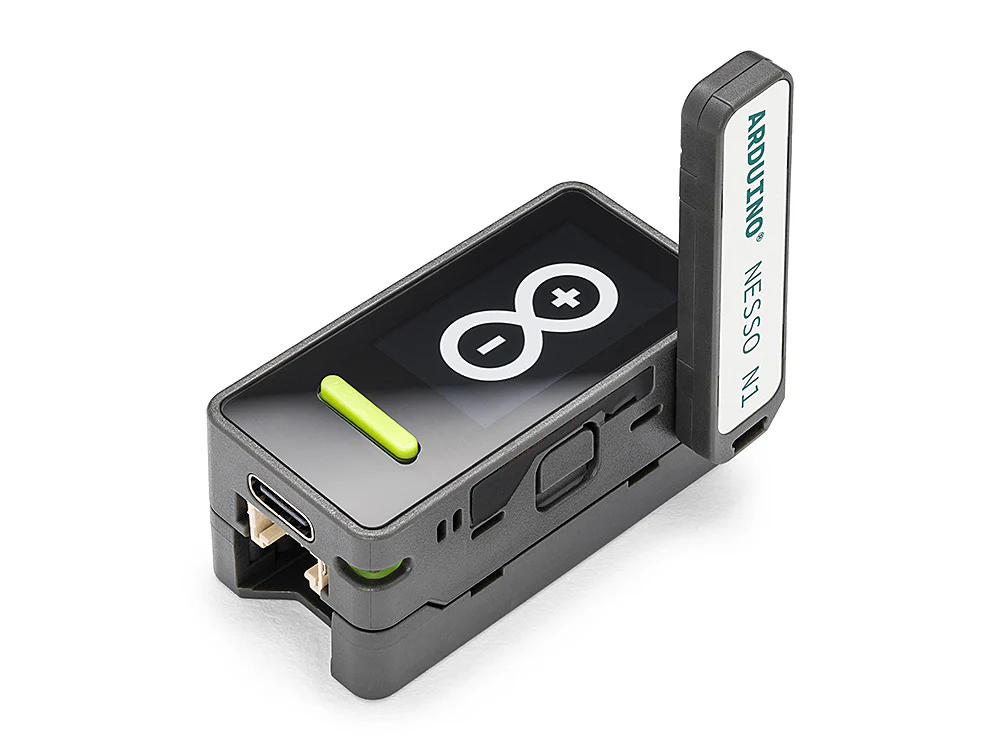
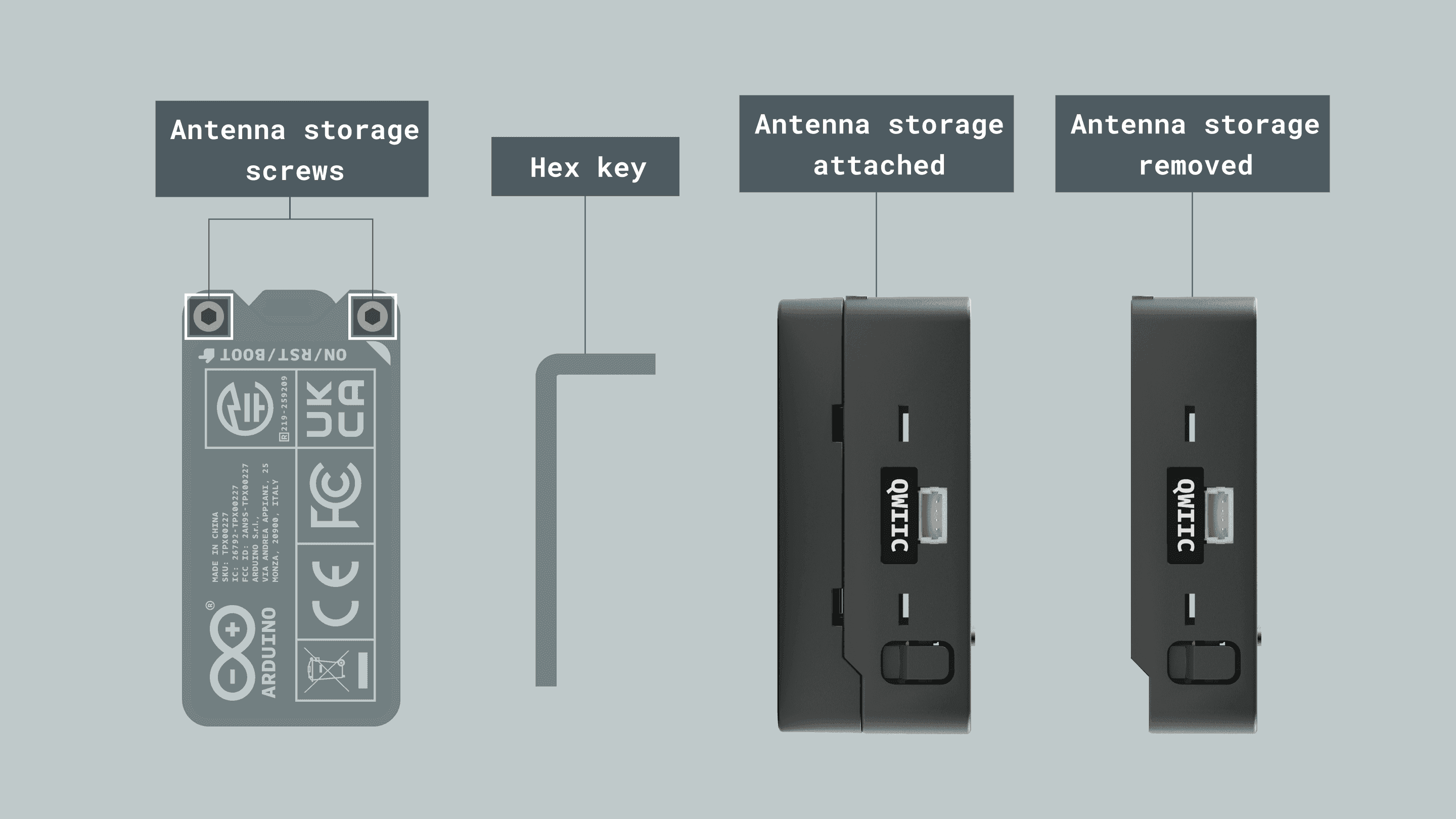
With that out of the way, let me tell you all of the reasons that I love this board, and how it made my workshop a tremendous success. For starters, there's the industrial design: this is a compact, attractive device, squeezing a huge number of features into a tiny footprint. My favourite innovation is the LoRa antenna "garage" underneath, which allows convenient stowing while not in use. The garage can also be removed, for an even more svelte package.
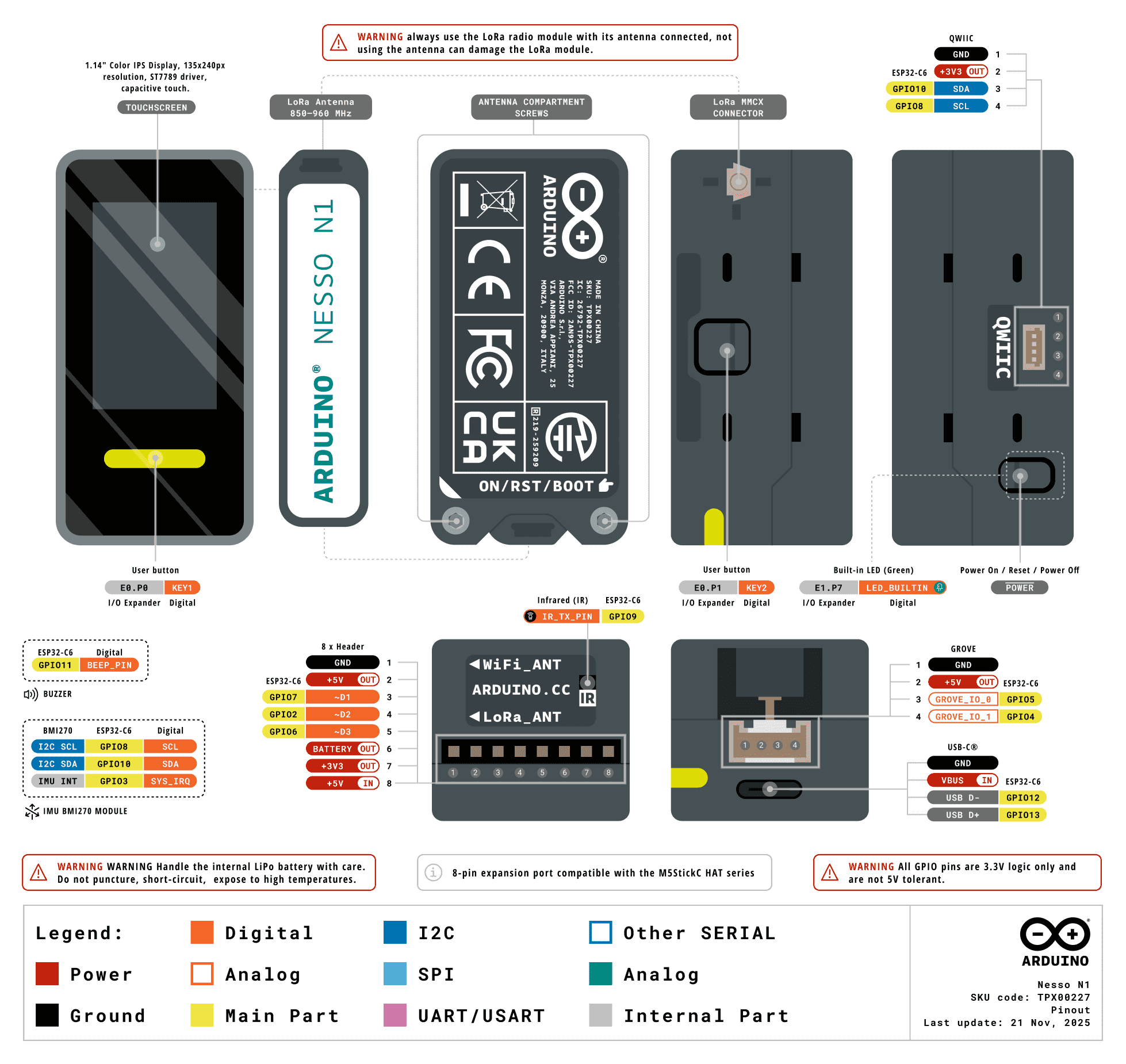
The extensive built-in feature set is what led me to select this board for my beginner workshop. In addition to the powerful RISC-V-based ESP32-C6 microcontroller itself, the SoC brings almost ever radio conceivable, including Wi-Fi 6, Bluetooth 5.3 LE, and 802.15.4 Thread and Zigbee. The SX1262 LoRa Module adds long-range communication to that extensive list.
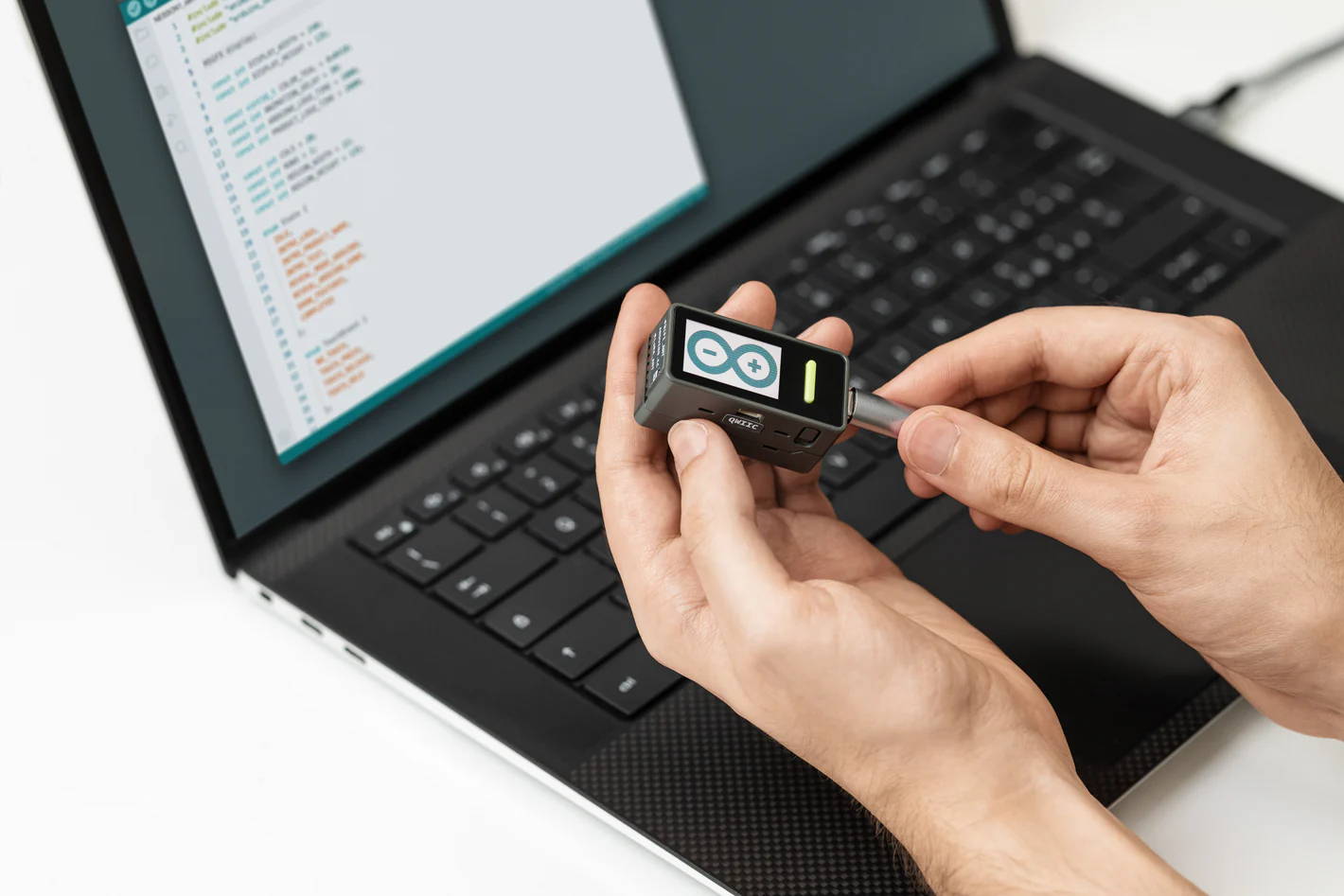
A 1.14" IPS touchscreen adds an adorable canvas for data display and graphical user interfaces. An IR transmitter adds even more communication potential (the Mitch Altman TV-B-Gone was an inspiration for several workshop participants!), a buzzer adds audio feedback (or just the opportunity to make annoying sounds!) and a built-in RGB LED and two buttons augment the touchscreen for user interaction. The BMI270 IMU was cleverly used by one participant to explore a digital spirit level concept, as well as a UI that adapted to device orientation. Another huge plus is the 250 mAh battery, which let workshop participants continue to enjoy their projects even after they put away their laptops. Qwiic/Modulino and Grove connectors, as well as an 8-pin GPIO port (compatible with the M5StickC HAT series) give a wealth of expansion opportunities should the extensive built-in features ever be exhausted.
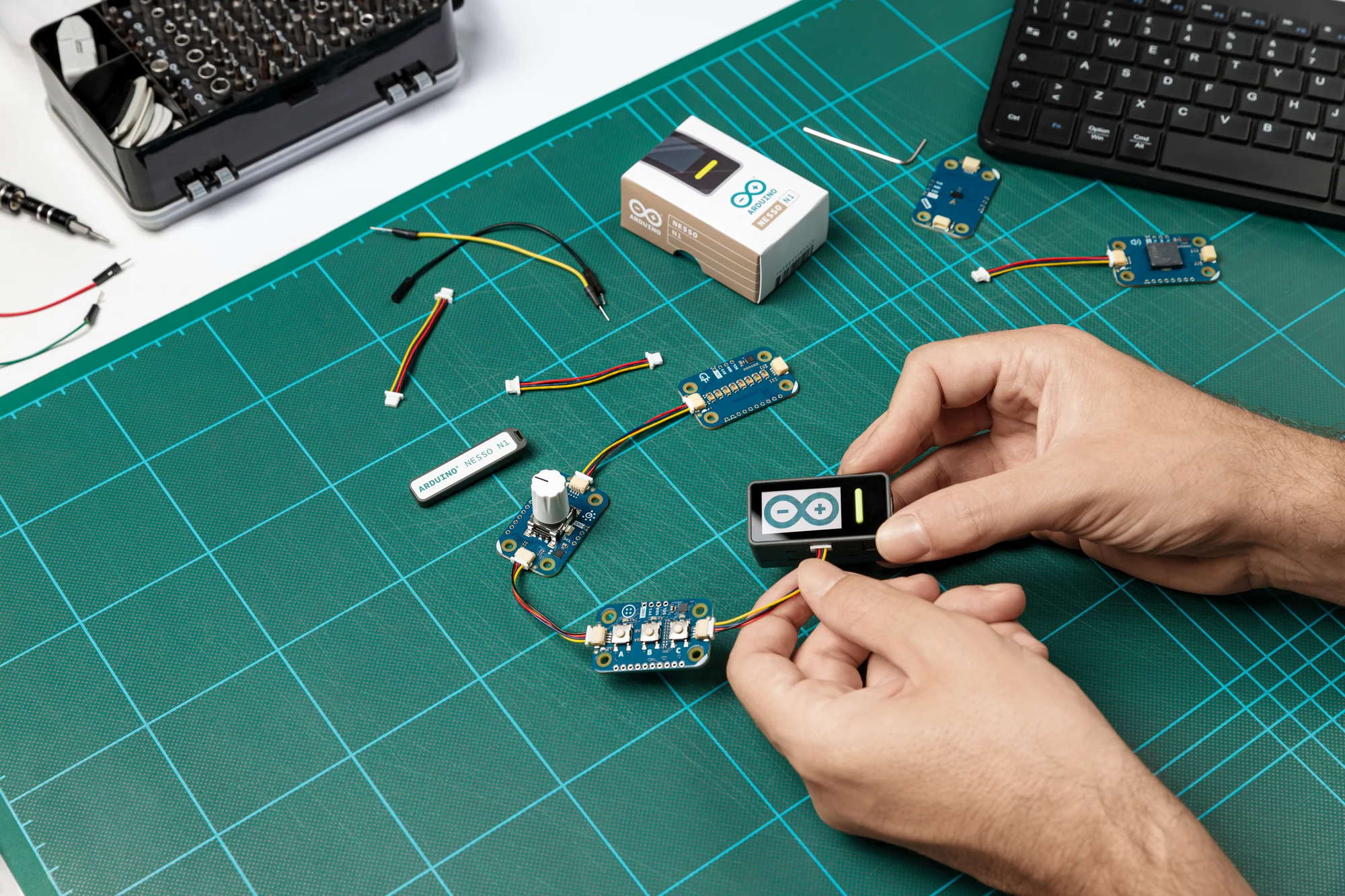
The Arduino Nesso N1 is an adorable package bursting with features for IoT, home automation, and general projects, with a fantastic touchscreen and battery that keeps the fun going beyond your desk.
The developer experience is not on par with other Arduino products, requiring a certain level of expertise to work around limitations in example code and hardware compatibility.
The Arduino Nesso N1 offers an incredible feature set in a diminutive yet highly usable form factor for under $50. It makes a great device for beginners, intermediate developers looking to explore home automation and LoRa, and professionals in need of a consumer-ready device with easy expansion.
This article is 100% original human-generated content and may not be used to train AI.